


Terralink+ with TrueEC™
Couldn't load pickup availability


Control-grade moisture and EC data for cannabis crop steering
TerraLINK+ measures substrate moisture in real time using Time Domain Reflectometry (TDR), delivering stable readings in EC-heavy environments so you can steer with confidence from early veg through late flower.
Why some moisture data looks fine until it doesn’t
A common approach in substrate sensing estimates moisture from changes in an electric field near the probe. Early in a run it can look stable and predictable.
As nutrient strength rises, the environment becomes more electrically complex. Slower updates and averaging can blur irrigation events and soften dryback edges.

Real-time data vs 3-minute resolution
Update speed changes what you can control. Real-time lets you steer. Interval data forces you to react.
Fast changes get averaged between samples. Dryback edges soften.
See irrigation response as it happens. Tune timing with confidence.
Works with Co-Pilot
Co-Pilot surfaces insights and provides suggestions to improve your crop steering strategy at every stage of the run.
It’s constantly learning from outcomes, so ensure your next harvest is always your best.

Measurement comparison
Two measurement classes. One estimates moisture from field changes. The other measures via signal timing across the probe.
| Dimension | Field-based estimation | TerraLINK+ (TDR) |
|---|---|---|
| Measurement | Electric field response | Signal travel time |
| Update speed | Often interval based | Real time |
| Sensitivity to nutrient strength | Higher | Very low |
| Late run confidence | Can degrade | Stable |
Measurement performance
| Parameter | Min | Max | Units |
|---|---|---|---|
| Relative permittivity | |||
| Range | 1 | 100 | – |
| Resolution | 0.1 | – | – |
| Accuracy | -2 | +2 | %FS[1] |
| Stability with Bulk Electrical Conductivity (0–3000 µS/cm) | -1 | +1 | %FS |
| Volumetric water content (VWC) | |||
| Range[2] | 0 | 100 | % |
| Resolution | 0.1 | – | % |
| Repeatability (RMS deviation) | 0.3 | – | % |
| Accuracy | -2.5 | +2.5 | %FS |
| Stability with Bulk Electrical Conductivity (0–4500 µS/cm) | -1 | +1 | %FS |
| Temperature[3] | |||
| Range | -40 | +55 | °C |
| Resolution | 0.1 | – | °C |
| Repeatability (RMS deviation) | 0.01 | – | °C |
| Accuracy (+5 to +35 °C) | -0.25 | +0.25 | °C |
| Accuracy (-15 to +55 °C) | -0.5 | +0.5 | °C |
| Pore Water EC (ECpw) | |||
| Range | 0 | 15 | dS/m |
| Resolution | 1 | – | µS/cm |
| Repeatability (RMS deviation) | 3 | – | µS/cm |
| Accuracy | 2.5 | 5 | % |
Add More LINKS
-
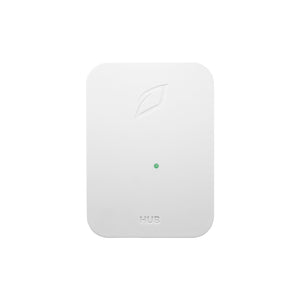
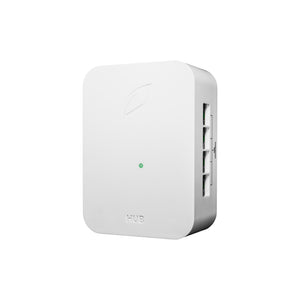
LINKS 8-Port Device HUB
Regular price $399.00Regular price -
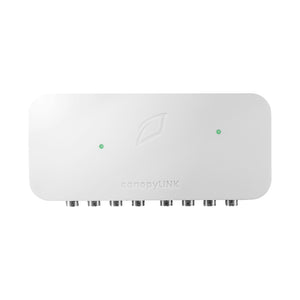
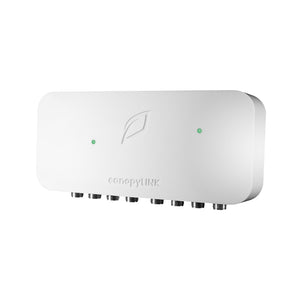
canopyLINK Sensor HUB
Regular price $299.00Regular price -
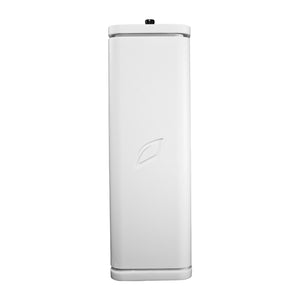
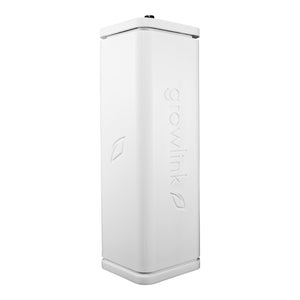
Climalink Climate Sensor
Regular price From $399.00Regular price -
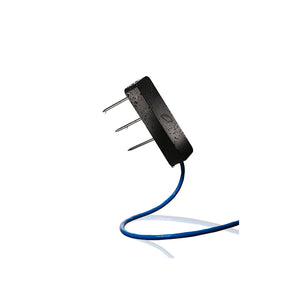
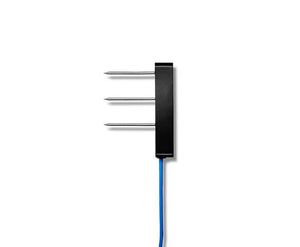
Terralink+ with TrueEC™
Regular price $299.00Regular price -

Quantumlink
Regular price $399.00Regular price -
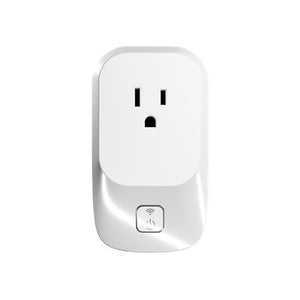
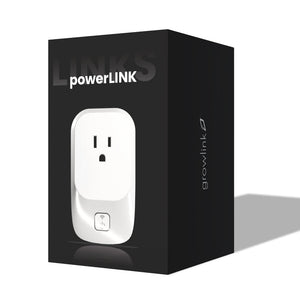
PowerLINK
Regular price $99.00Regular price -
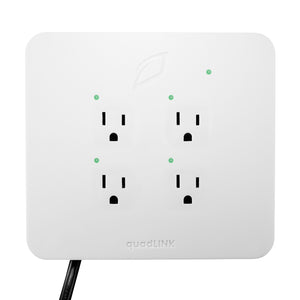
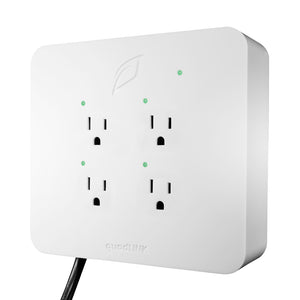
quadLINK Controller
Regular price $399.00Regular price -
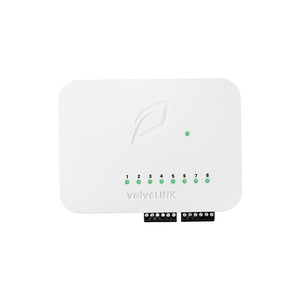
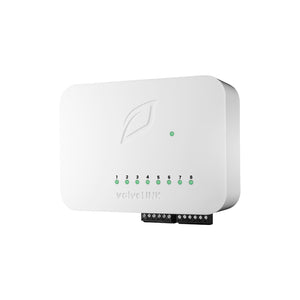
valveLINK Controller
Regular price $299.00Regular price -
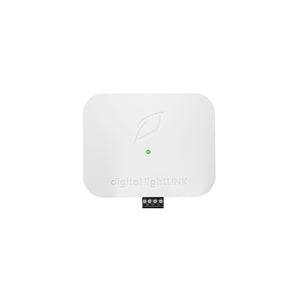
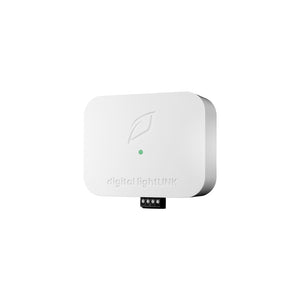
digital lightLINK
Regular price $149.00Regular price -
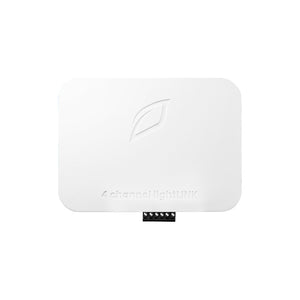
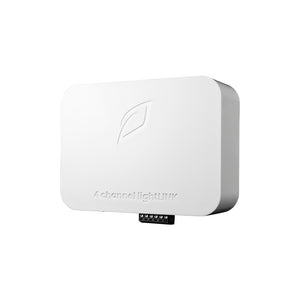
4 channel lightLINK
Regular price $299.00Regular price -
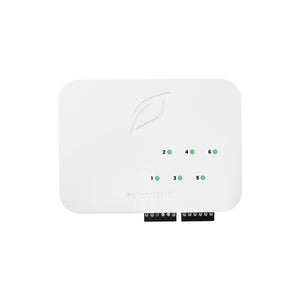
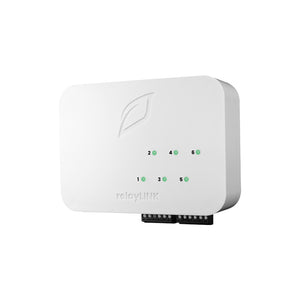
relayLINK
Regular price $299.00Regular price -
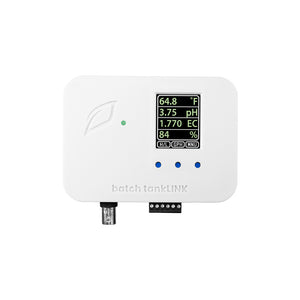
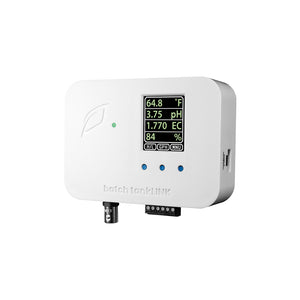
batch tankLINK Controller
Regular price $799.00Regular price

- Choosing a selection results in a full page refresh.
Your cart
Your cart is empty
Continue shoppingHave an account?
Log in to check out faster.